

Iran condemned a G7 statement on Thursday that urged Tehran to stop backing Hamas militants and acting in ways that “destabilize” the Middle East.
Tehran’s statement comes a day after the G7 group of industrialized nations’ foreign ministers met in Tokyo and urged support for “humanitarian pauses and corridors” in the Israeli-Hamas conflict.
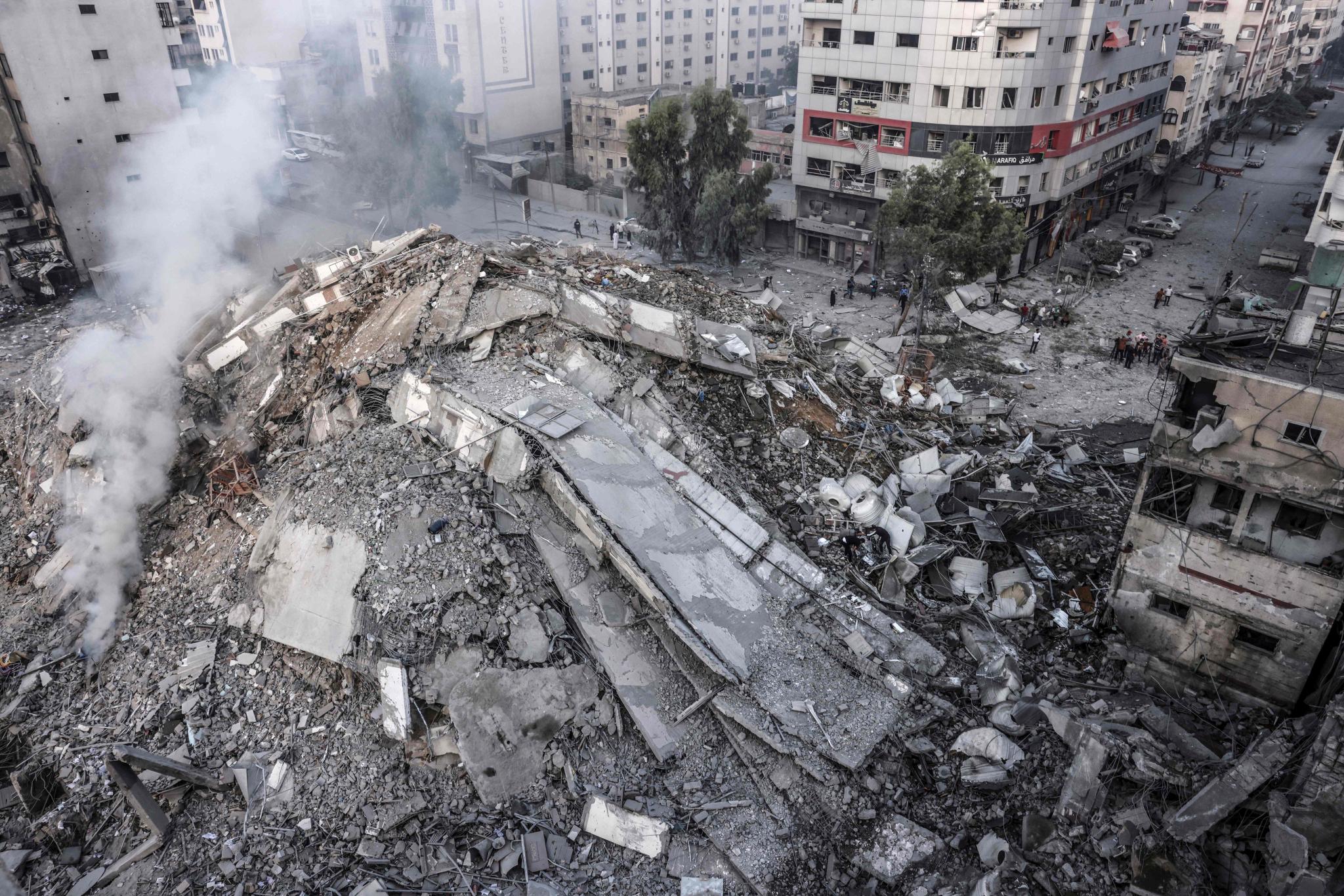
According to Israeli sources, Israeli air strikes have blasted the Palestinian enclave of Gaza since Hamas terrorists burst across the heavily militarized border on October 7 to kill over 1,400 Palestinians, the majority of whom were civilians, and kidnap around 240 hostages.
According to the Hamas-run health ministry, the subsequent Israeli bombing assault in Gaza killed over 10,500 individuals, two-thirds of them were women and children.
The group also urged Iran to “refrain from providing support for Hamas and taking further actions that destabilise the Middle East, including support for Lebanese Hezbollah and other non-state actors.”
Iran’s foreign ministry spokesperson, Nasser Kanani, “strongly condemned” the statement by the group, which includes the United States, the United Kingdom, Germany, Canada, Italy, France, and Japan, on Thursday.
He stated that Iran has made “constant efforts to halt military attacks by the Zionist aggressor regime (Israel) on defenseless citizens” in Gaza.
“What was expected from the meeting of the Group of 7 foreign ministers in Tokyo was to fulfill their international responsibility, including condemning the acts of the Zionist regime that violate human rights and international law in Gaza.”
Iran, which financially and militarily supports Hamas, lauded the Palestinian group’s attack on Israel as a “success” but denied any involvement.
Iran’s President Ebrahim Raisi has stated that it is “its duty to support the resistance groups,” but that they must operate autonomously.
Since the 1979 Islamic Revolution, Iran has made support for the Palestinian cause a centerpiece of its foreign policy.